










Sometimes hair fall just won't go away — it disappears for a while, then comes right back. The loop is exhausting, and it begs the question: why does my hair keep falling? The truth is, there are many causes. Today we're sharing 9 of the biggest hair-loss culprits so you can target the real problem.
Genetic hair loss
Our bodies produce a male
Stress-induced hair loss
Stress is a close-to-home cause of hair fall. It throws hormones out of balance, so your body sheds hair faster than your follicles can make new strands — making the loss look heavier than usual. Don't worry though: once the stress eases, your hair returns to normal on its own.
Hair loss from heavy use of styling products
Chemicals are arguably the leading driver of hair fall. They clog and build up on the scalp, and some are harsh enough to weaken scalp and strands — leaving hair brittle and easy to shed. That includes hair color, sprays, perms, straightening treatments, and certain shampoos and conditioners.
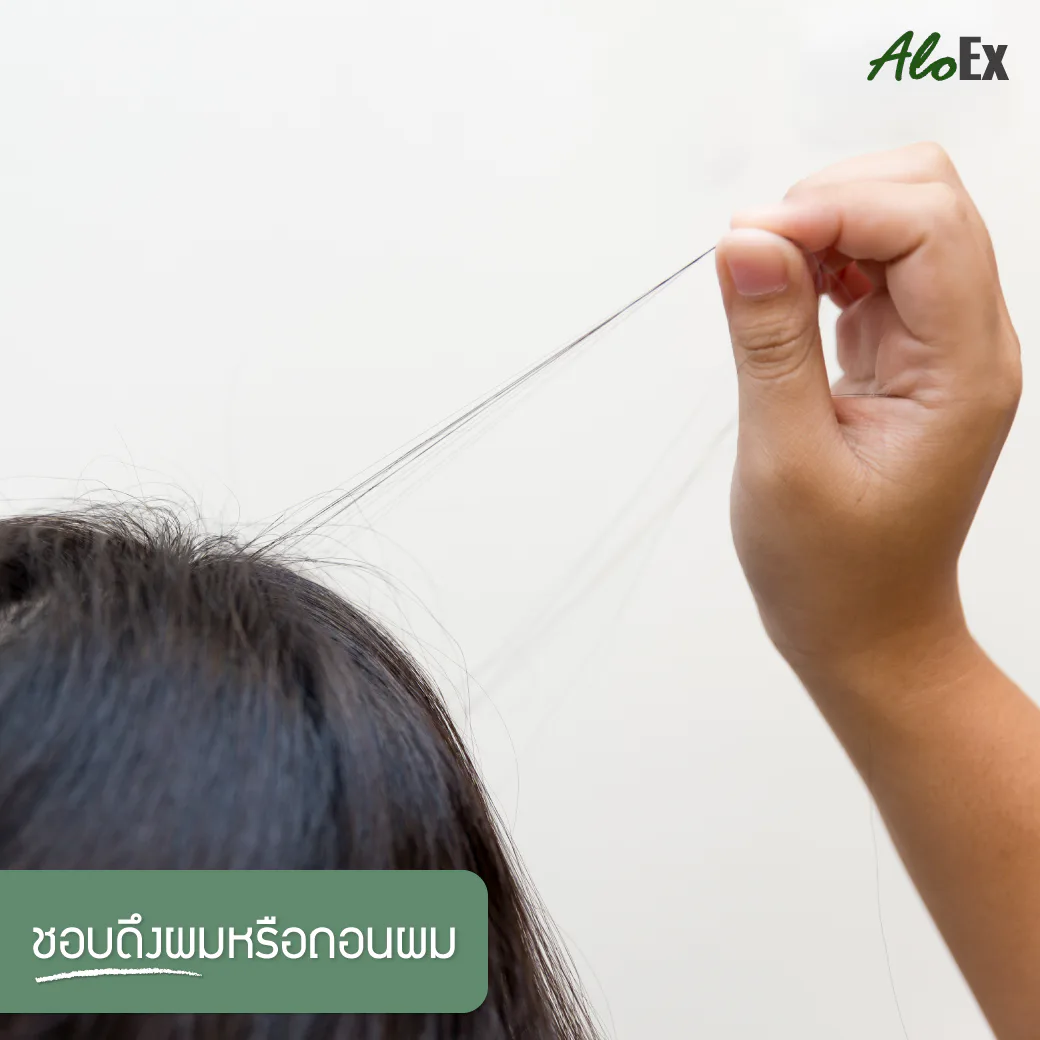
Hair loss from pulling or plucking hair
Some people pull or pluck their own hair when stressed, anxious, or lost in thought — and it can become a habit. If you catch yourself doing it, stop. The spots you pull repeatedly thin out, leaving short stubble, and eventually go bald.
Hair loss from certain medical conditions
Sometimes hair fall is an early warning sign of a medical condition — SLE (lupus), thyroid disorders, syphilis, liver disease, or kidney disease, for example. In some cases it can spread to eyebrows and lashes. Keep an eye on the pattern, and if shedding is unusual and unexplained, see a doctor right away.
Hair loss from medications and radiation therapy
People taking long-term medication — such as chemotherapy drugs, anticoagulants, contraceptives, gout medication, or hyperthyroidism medication — can experience hair loss as a side effect. The same applies to radiation therapy for cancer.
Hair loss from dietary habits
Eating doesn't just affect your weight and skin — it affects your hair, too. The main building block of hair is protein, so a protein-rich diet helps reduce hair fall. Iron and magnesium also support softer, silkier hair. If you skimp on protein, expect some shedding.
Temporary growth-cycle pauses
Sometimes the body hits a state that pauses new hair growth and causes premature shedding — recovery from major surgery, postpartum, or side effects of certain medications. These usually clear up on their own within a few months.
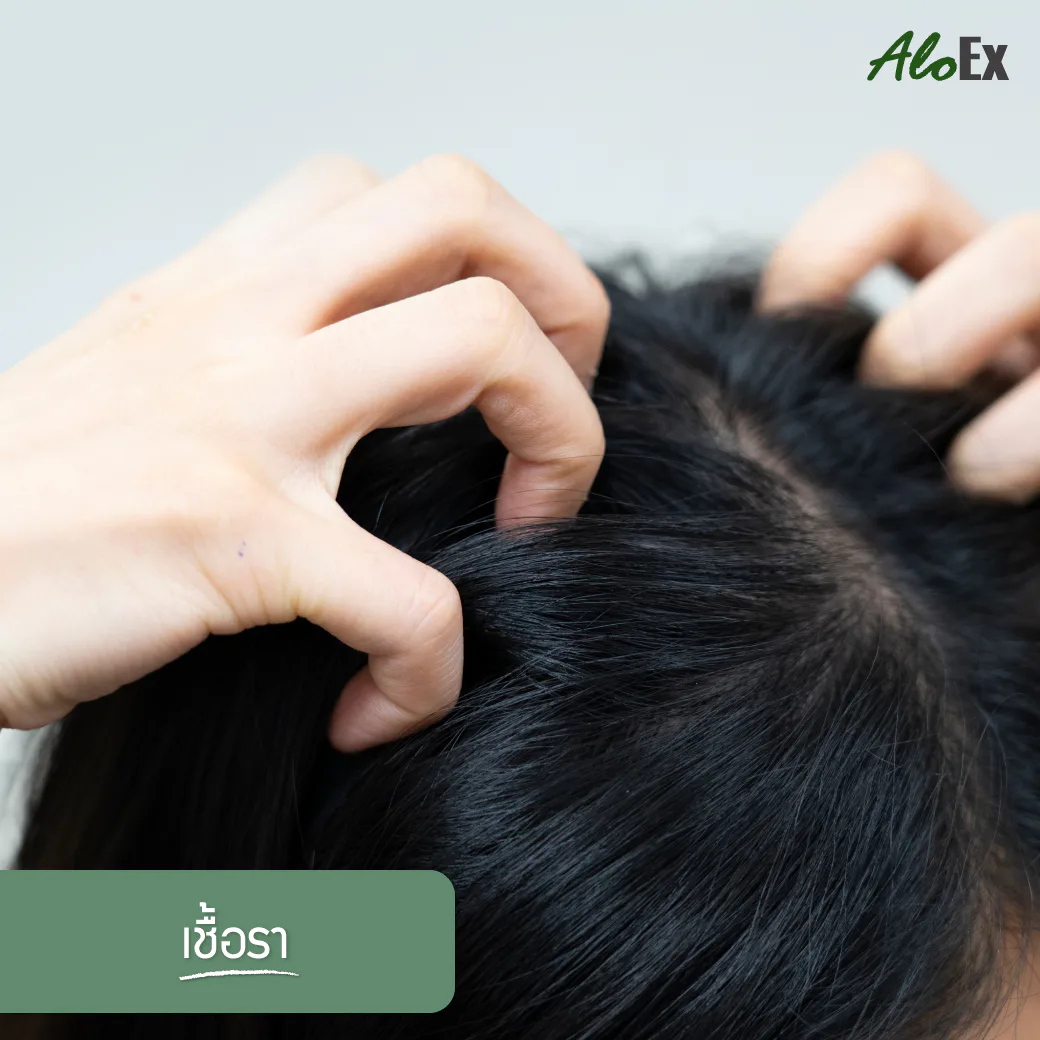
Hair loss from fungal infections
Fungus on the scalp is another cause of hair fall. It can produce red, flaky, scaly patches on the scalp and spread into the follicles, causing itchiness and patchy hair loss. If this describes you or you suspect a fungal issue, see a doctor.